


Food is more than meets the eye: Climate Change and Food Traditions

Introduction
Food is more than a fundamental need. Besides nourishing and energizing our bodies, it is integral to cultural identity and indispensable to cultural traditions worldwide. Food traditions are at risk from the ongoing impacts of environmental degradation. UNESCO (the United Nations Educational, Scientific, and Cultural Organization) defines intangible cultural heritage(ICR) as the constellation of practices, knowledge, expressions, objects, and spaces that encompass a community's unique identity. It is organized into five key domains: oral traditions/expressions; performing arts; social practices/rituals/festive events; knowledge and practices pertaining to nature and the universe; and traditional craftsmanship.

United Nations Educational, Scientific, and Cultural Organization) (UNESCO) Intangible Cultural Heritage framework
Food is tied to intangible culture because it is essential in many social practices and celebrations. Furthermore, knowledge and practices related to nature also shape the value of food. Crops, such as wheat, are cultivated using traditional methods, including seasonal cycles and climatic patterns.
The country of Georgia has a storied history with wheat, which is vital to many significant events, namely, religious holidays. Wheat is also considered a symbol of life, growth, prosperity, and abundance in Georgian culture. These food-related traditions are at risk of extinction due to climate-change-induced environmental degradation with broad implications for cultural heritage preservation efforts.

The Drivers Behind Climate Change
Climate change, namely global warming and extreme weather, such as heatwaves, impacts every country; it knows no boundaries. Its ramifications go beyond humanity, threatening biodiversity. Key contributors include burning fossil fuels and the use of aerosols.
Extreme heat occurs when prolonged high temperatures harm crops, land, livestock, and people. A report by the FAO (Food and Agriculture Organization of the United Nations) and the World Meterological Organization (WMO), entitled "Extreme Heat in Agriculture", argues that human-induced climate change, natural climate variability, and meteorological phenomena work in tandem to cause high temperatures. Kyrgyzstan has already experienced the impacts: in spring 2025, a heatwave in the Jalal-Abad region exceeded temperatures 10 degrees above average, reducing fruit crop yields and disrupting spring wheat growth. The high temperatures also set off an unprecedented mass reproduction of locusts.
Extreme heat stems from a disrupted jet stream airflow, which affects high-pressure systems and traps heat. When heat is trapped, it cannot escape into the atmosphere. From an agricultural standpoint, extreme heat decreases crop yields, threatening traditional practices. Crop loss matters culturally because it may lead to the abandonment of traditional knowledge, such as healing and cultivation methods.
Droughts are another serious threat to agriculture. They are prolonged dry periods marked by scant precipitation. According to the WMO ,about 35% of Earth's surface is covered by drylands, which encompass arid, semi-arid, and dry sub-humid regions. Droughts are significant environmental hazards, causing about 650,000 deaths from 1970 to 2019. Moisture depletion from soil impedes crop growth and yield size, potentially disrupting cultural practices related to nature and the universe.

Climate Change and Food Traditions: Case Study Examples
Many countries around the world are taking proactive measures to mitigate the impacts of climate change, making the world a safer, healthier place for current and future generations to live and thrive.
Georgia: Rangelands and Dairy Traditions
Turning to the country of Georgia, climate change has reduced rangelands and grazing land, impacting the production of Georgian delicacies such as cheeses like Sulguni and Imeruli. Do is a unique fermented milk product that could disappear due to these climate pressures. Rangelands are vital to biodiversity and cultural heritage.

Italy: Amalfi Lemon Cultivation and Climate Change
Rangelands are areas of land covered by grass, plants, shrubs, or trees where livestock can freely graze. Rangelands sustain traditional livestock practices through the interdependence of people and animals. Traditional knowledge and practices, namely cyclical patterns, namely pertaining to seasonal cycles, underpin rangelands. Rangelands' role in mitigating climate change cannot be understated. They protect against soil erosion by regulating surface temperatures and conserving water.
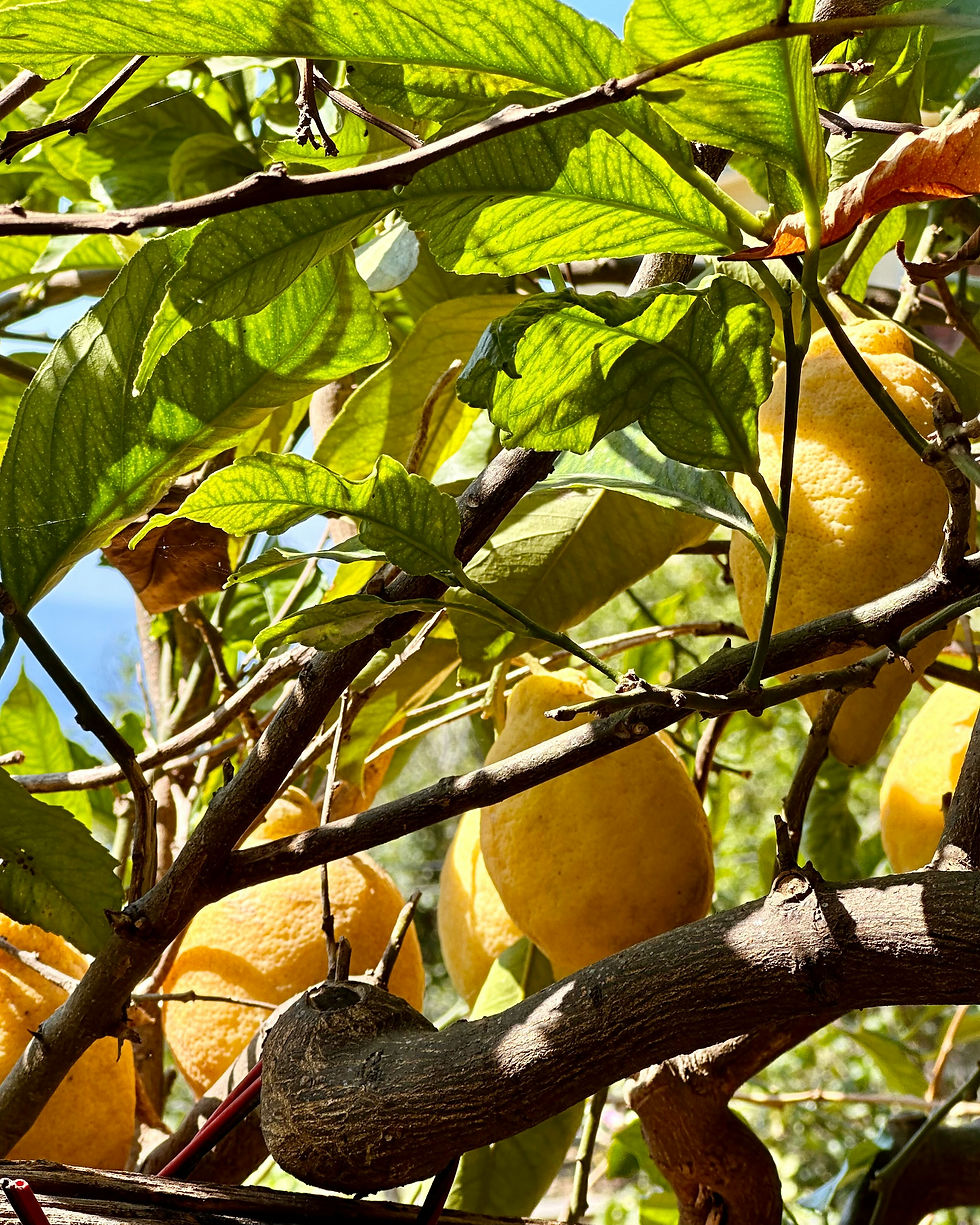
In another region, on the Amalfi Coast in Italy, the Amalfi lemon is a vital agricultural crop. Its origins can be traced back to the early Middle Ages through Arab trade. Lemon was used medicinally to treat scurvy among sailors. Over the years, it became a source of cultural pride known for its rich, sweet flavor. It is incorporated into many pasta dishes and dessert delicacies. Farmers cultivate lemon gardens by hand. The lemon is rooted in traditional knowledge and practices passed down through generations, underpinned by seasonal, pruning, and climatic patterns. The usage of terraces and pergolas serves an environmental purpose in the cultivation process.
Terraces promote healthy soil by improving air and water circulation. Furthermore, water is absorbed through channels and stored for dry periods. Pergolas are environmentally sourced from natural forest wood. Structurally, they hold fruit in place to enable easy, convenient access for farmers. Farmers climb across pergolas to tend to their lemon crops in the air; hence, the apt nickname "flying farmer". However, due to climate change, this agricultural tradition is at high risk of being eradicated. The precipitation rate is not as predictable. It produces an "all or nothing" effect, with rainfall either at monsoon levels or little to no rainfall, which can impact soil health. Landslides can likely develop if terraces are left unattended.
Uganda: Hydroponic Gardens and Food Security
In contrast, in Uganda, hydroponic gardening is taking shape in secondary schools across the country. Plants in this unique type of garden can grow about 650 plants without soil, with minimal water and organic fertilizers. Hydroponic gardens can conserve up to 95% of water compared to traditional soil-based gardening.
Organic fertilizer plays a key role in producing healthy growth. This grassroots environmental initiative seems very promising because of its long-term benefits. Maintaining hydroponic gardens enables people to grow food crops, such as sukumawiki, a kale crop native to Uganda. Furthermore, it would give people the autonomy to grow their own food, thereby improving overall nutrition.

Conclusion
I hope the content was enlightening to readers. The case studes above illustrates how the effects of climate change destroys the fabric of communities. The main takeaway is that humans have an interdependent relationship with the environment and vice versa. Our small actions have a big impact.
Call to Action
Education is the first step; knowledge is power. Advocacy is another key pillar. To be civically involved, champion your local government officials to enact laws that protect our environment. Utilize social media to spread awareness and spark conversations on social issues you care about. Follow reputable organizations, such as FAO and WMO, to stay informed about food insecurity and other related issues. Through these actions, we can all do our part in safeguarding our planet and preserving our cultural traditions for future generations.


Comments